

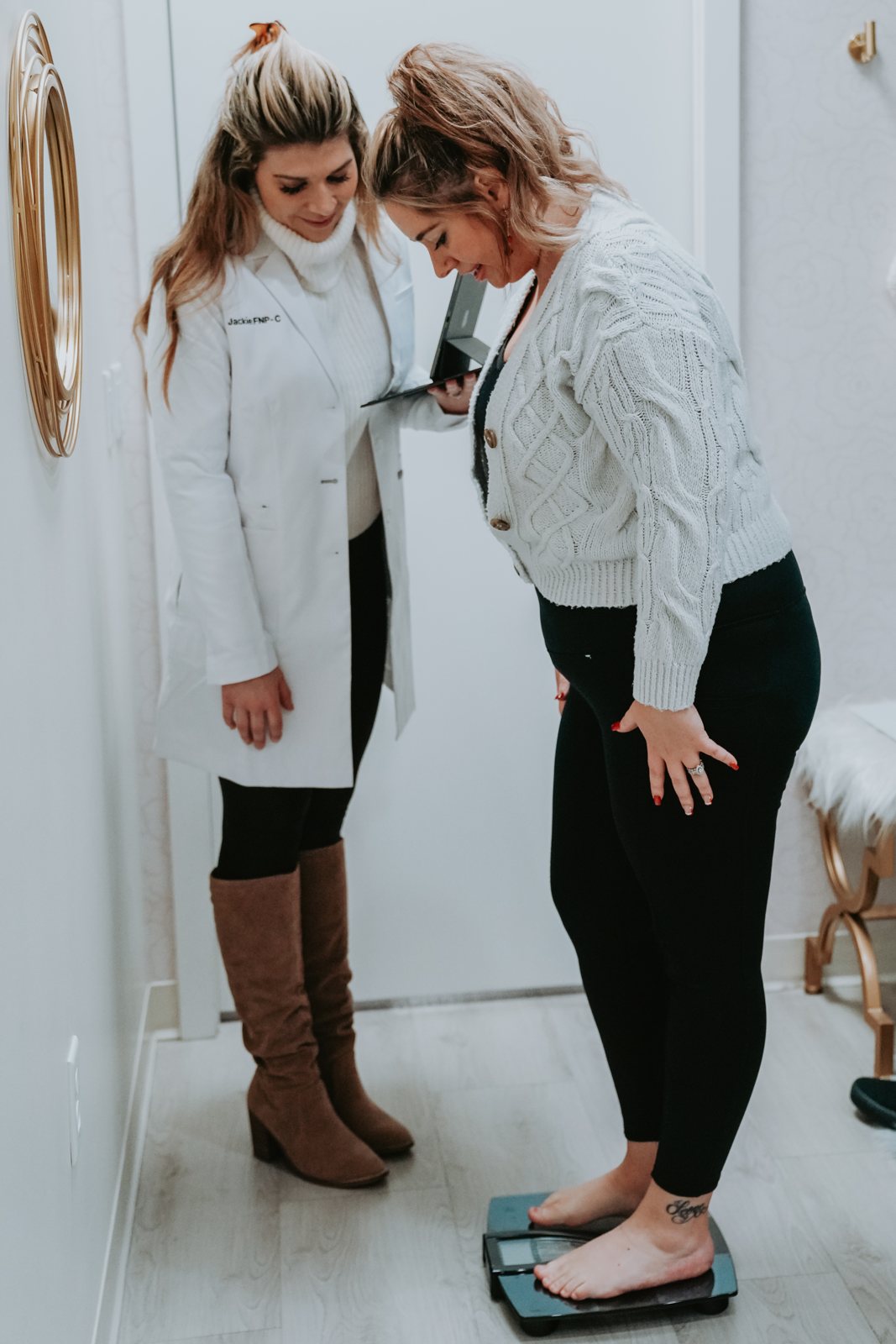

Medically reviewed by Jacquelyn McDowell, FNP-C, Medical Director, and Courtney Strocky, NP. Last reviewed November 11, 2026.
The short version: Denver medical weight loss programs that use GLP-1 injectable medications differ a lot in provider credentials, medication types, monitoring, and aftercare. The programs that work best pair clinician-supervised medication with structured lifestyle support, plus aesthetic care that helps you feel good in your body along the way. Original Glam's program combines medical supervision with health and mindset coaching, built for long-term support during treatment and after.
If you have been eating well and staying active and the scale still is not moving, or the weight keeps returning, biology may be part of the picture. Appetite signaling, insulin response, and your metabolic set point are physiological systems, and GLP-1 medical weight loss programs are designed to work on exactly those systems.
Denver programs vary in how carefully they do that. Below is how to evaluate your options and what to look for in a program built around sustainable results.
What Are GLP-1 Programs and How Do They Work?
GLP-1 receptor agonists such as semaglutide and tirzepatide mimic the gut hormones your body releases after eating. They reduce appetite and help regulate blood sugar, which led to average weight loss of about 15 to 21% of body weight over 68 to 72 weeks in the major clinical trials.
GLP-1 stands for glucagon-like peptide-1. It is a hormone made in the gut that tells your brain you are full, slows how quickly your stomach empties, and prompts insulin release when you eat. GLP-1 receptor agonists are injectable medications that mimic this hormone, sending the same fullness and metabolic signals more consistently and more strongly than your body does on its own.
These medications were first developed to treat type 2 diabetes. Semaglutide at 2.4 mg weekly was FDA-approved for chronic weight management, as Wegovy, in June 2021 (Wegovy prescribing information). Tirzepatide, a dual GLP-1 and GIP receptor agonist, received FDA approval for weight management in November 2023. The second hormonal pathway strengthens its metabolic effect.
The STEP 1 clinical trial, published in the NEJM, found an average 14.9% body weight reduction with semaglutide over 68 weeks. The SURMOUNT-1 trial found 15.0% to 20.9% weight reduction with tirzepatide over 72 weeks, depending on the dose. In both trials most of the loss came during the first year, after which weight leveled off.
Both medications also improve cardiovascular markers, blood pressure, and inflammatory profiles, so they support metabolic health as well as weight. Both need ongoing weekly injections and continuous medical supervision to be safe and effective.
Which GLP-1 Medications Are Available in Denver?
Semaglutide and tirzepatide are the two GLP-1 medications most Denver programs prescribe for weight management, and Original Glam offers both through its medical weight loss program. They differ in how they work, how much weight loss they produce, and the clinical evidence behind them. For the full side-by-side, read Semaglutide vs Tirzepatide.
Semaglutide is a GLP-1 receptor agonist given as a once-weekly injection under the skin. The dose increases every 4 weeks, from 0.25 mg to a maintenance dose of 2.4 mg by week 17. It is one of the most extensively studied weight management medications available, with multiple large published clinical trials and a growing body of real-world data since approval.
Tirzepatide is a dual GIP and GLP-1 receptor agonist, the only medication in its class that activates both incretin pathways at once. It is given weekly, starting at 2.5 mg and increasing in 2.5 mg steps every 4 weeks to a maximum of 15 mg. In the SURMOUNT-5 head-to-head trial, it produced more weight loss than semaglutide: 20.2% against 13.7% at 72 weeks.
If you are considering any GLP-1 program, ask whether the medication is the FDA-approved brand (Wegovy or Zepbound) or a compounded version, and which pharmacy makes it.
Original Glam's program uses compounded semaglutide or tirzepatide. Compounded versions are not FDA-approved, and the trial results in this article were measured with the brand-name drugs. Your nurse practitioner will walk you through the medication and where it comes from at your consultation.
How Do Med Spa GLP-1 Programs Differ from Clinical Weight Loss Centers?
Med spas like Original Glam pair GLP-1 medication with aesthetic services and wellness support, which a weight loss clinic focused only on prescribing does not usually offer.
A clinical weight loss center typically provides prescribing, lab monitoring, and dietary counseling. Many people who lose a significant amount of weight on GLP-1 therapy notice changes in their skin along the way, such as laxity, texture changes, and shifts in body contour. A medication-only model does not cover those.
Original Glam Denver plans for this from the start. As you progress, the team offers aesthetic treatments at the right stages. RF microneedling and laser treatments for skin laxity, along with wellness services such as hormone replacement therapy and IV therapy, can be coordinated with your weight loss program, so you do not have to arrange them separately after you reach your goal.
The clinical care comes first. The aesthetic and wellness services are there to support you at each stage.
What Should You Expect During a GLP-1 Program?
Original Glam's program runs 16 weeks. It begins with a medical exam and baseline labs, starts at a low dose, increases gradually, and includes follow-ups with the nurse practitioner throughout. Maintenance options are available afterward for patients who qualify.
Before you start. An initial medical exam with a nurse practitioner, a review of your medical history, and baseline labs (CBC, comprehensive metabolic panel, lipid panel, thyroid panel and A1C) all happen before the first injection. You need a BMI of 30 or more, or 27 or more with a weight-related condition such as high blood pressure. Starting doses are kept low on purpose, 0.25 mg for semaglutide and 2.5 mg for tirzepatide, to keep early side effects down.
Weeks 1 to 4. You learn to self-inject, medication is delivered to your home, and you have a follow-up with the nurse practitioner every week, virtual or in person. The dose goes up gradually. Nausea and GI discomfort are the most common side effects in this window. Pacing the increases, adjusting what you eat, and staying hydrated make them significantly milder and shorter.
Weeks 5 to 16. Follow-ups move to every two weeks or monthly. Health and mindset coaching continue, and a Lipo Lean injection is included whenever you come in for an in-office visit. This is also a good time to plan any skin or body contouring treatments you want as your weight changes.
After 16 weeks. The trials that produced the results above ran for well over a year, and most of the loss came in that first year. Maintenance options are available if you qualify. The habits you build during the program shape your results if the medication is eventually reduced or stopped.
Data from both the STEP and SURMOUNT programs show that a significant share of weight returns after stopping. In the STEP 1 extension, people regained about two-thirds of the weight they had lost within a year of stopping semaglutide. A well-designed program plans for this from the beginning.
What Does Real Medical Supervision Involve?
Professional oversight covers baseline health screening, medication monitoring, dosing, side effect management, and behavioral coaching. That is what separates reputable providers from unsupervised operations.
Good supervision starts before the first injection. At a reputable Denver program, baseline screening includes a thorough review of required labs, including CBC, CMP, lipid panel, thyroid panel, and A1C. If you have a history of pancreatitis, thyroid conditions, kidney disease, or a complex medication list, you need additional evaluation before either medication is appropriate.
Ongoing monitoring includes regular check-ins on your weight, a review of how you are tolerating the medication, and dose adjustments based on both.
Check the prescriber's credentials. GLP-1 medications are prescription-only and must be prescribed by a licensed medical provider: a physician (MD or DO), a nurse practitioner (NP), or a physician assistant (PA). Confirm the prescriber's name and credentials before you enroll. A program that will not tell you who the prescriber is should be a red flag.
Nutrition support, lifestyle coaching, or access to counseling should be built into the program. At Original Glam Denver, Courtney Strocky, NP, handles prescribing and monitoring, under the practice's medical director, Jacquelyn McDowell, FNP-C, and the program includes health and mindset coaching.
What Are the Safety Concerns and Side Effects?
The brand-name GLP-1 medications are FDA-approved, and in trials they were well tolerated by most patients. Digestive side effects are the most common. They are usually mild to moderate and happen mostly while the dose is being increased. In the STEP 1 trial, nausea and diarrhea were the most common side effects, they were typically temporary, and 4.5% of semaglutide participants stopped treatment because of digestive side effects.
The side effects reported most often for both semaglutide and tirzepatide are nausea, vomiting, diarrhea, constipation, and abdominal discomfort. A few other safety points are worth knowing.
Both medications carry an FDA boxed warning for patients with a personal or family history of medullary thyroid carcinoma or Multiple Endocrine Neoplasia syndrome type 2.
Acute pancreatitis has been reported at low rates in clinical trials. If you have had pancreatitis, discuss it directly with your prescribing provider before starting either medication. Severe or persistent abdominal pain during treatment needs immediate evaluation.
Nausea and vomiting during dose escalation can lead to dehydration and electrolyte imbalance, particularly if you also take diuretics or exercise intensely. Responsible programs include hydration guidance and dietary adjustments as standard.
Both medications may reduce lean mass along with fat mass. Resistance training and enough protein throughout the program are increasingly recommended to preserve muscle.
How Do You Choose Between Denver Providers?
Compare Denver GLP-1 providers on prescriber credentials, baseline screening, how often they monitor you, and behavioral support. Cost matters too, as one factor among several.
Start with the prescriber. Confirm the name and license of the provider who will prescribe your medication, and ask about their experience with GLP-1 prescribing. A program that will not name its prescriber should be a red flag.
Ask about baseline screening. A legitimate program includes a medical examination and requires baseline labs before the first injection. A five-minute intake form in place of that falls below an appropriate standard of care.
Ask how often you will be seen. Early check-ins should be frequent, at least every 1 to 2 weeks, because side effects and dosing tolerance can change quickly and need active oversight.
Look for behavioral support. Nutrition guidance, coaching, or lifestyle support should be part of the program. The trial results above were measured with this kind of support in place.
If you are choosing a med spa, check that skin-tightening, body-contouring, and skin-quality treatments are available in-house and can be coordinated with your weight loss program. At Original Glam Denver, RF microneedling, laser treatments, and the broader wellness menu are available for aesthetic needs that come up along the way.
Frequently Asked Questions
Is GLP-1 weight loss permanent, or do you regain weight after stopping?
Most patients regain weight after stopping. In the STEP 1 extension, people regained about two-thirds of the weight they had lost within a year of stopping semaglutide, and in SURMOUNT-4, people who switched to placebo regained about half of the weight they had lost on tirzepatide within a year. GLP-1 medications manage the condition on an ongoing basis. The nutrition habits, exercise patterns, and routines you build during active treatment shape your long-term results after medication is reduced or stopped.
Can insurance cover GLP-1 weight loss programs in Denver?
Coverage depends entirely on your plan. Some employer plans cover GLP-1 medications for weight management, usually with prior authorization and a documented BMI or weight-related condition. Original Glam's program is a self-pay package: $1,999 for 16 weeks, including the medication, with 0% financing available. Ask your insurer what applies to you before you enroll.
How quickly will I lose weight on a GLP-1 program?
Most people notice reduced appetite within 2 to 4 weeks of starting. Most of the weight loss happens during the first year, with average results ranging from 14.9% of body weight with semaglutide (STEP 1 trial, 68 weeks) to 15.0% to 20.9% with tirzepatide (SURMOUNT-1 trial, 72 weeks). Real-world results vary with adherence, lifestyle support, and individual metabolic response.
Are compounded GLP-1s as effective as FDA-approved branded versions?
Compounded GLP-1 medications are not FDA-approved, which means the FDA has not reviewed them for safety, effectiveness or manufacturing quality, and the trial results above were all measured with the branded drugs. Compounding them became widespread while the brands were in shortage. The FDA has since declared both shortages over, which narrowed when pharmacies may compound them. Ask any program which version you would receive and which pharmacy makes it. Original Glam's program uses compounded semaglutide or tirzepatide, and the nurse practitioner will answer those questions at your consultation.
What makes Original Glam's medical weight loss program different?
Original Glam Denver's medical weight loss program is supervised by Courtney Strocky, NP, and includes health and mindset coaching, with aesthetic and wellness services available alongside the medical care. The program is built for long-term support, with careful clinical oversight during treatment and maintenance options after.
Book a Medical Weight Loss Consultation in Denver
If what you have tried so far has not reached the underlying cause, a clinical assessment is a good place to start. Led by Courtney Strocky, NP, the team at Original Glam Denver will review your health history, walk you through your medication options, and build a program around your biology and goals. Book your consultation here.